
 در
در گرمایش سریع: بخاری های سرامیکی قادر به گرم شدن سریع هستند و فقط در چند دقیقه به دمای راحت می رسند...
جزئیات را مشاهده کنید
نویسنده: سرپرست تاریخ: 2026-07-02
بخاری سرامیکی در مقابل بخاری فن: کدام یک بهتر است؟
هنگام انتخاب بین الف بخاری سرامیکی و یک فن بخاری , the short answer is: ceramic heaters are generally better for most home and office situations. اینy heat up faster, maintain temperature more efficiently, and include built-in safety features that conventional fan heaters often lack. However, the right choice ultimately depends on room size, usage pattern, and personal priorities. This article breaks down every key difference with real data so you can make an informed decision.
A بخاری فضای سرامیکی uses a ceramic heating element that self-regulates temperature, which means it reduces electricity draw once it reaches optimal heat. A conventional fan heater, by contrast, uses a metal coil that stays on at full power until manually adjusted. This fundamental engineering difference drives most of the performance and safety distinctions you will read about below.
Ningbo Shuaige Electric Appliance Co., Ltd.، با بیش از 15 سال تجربه تولید و 20000 متر مربع امکانات، بخاری های فن سرامیکی برجی را برای برندهای بزرگ جهانی در سراسر اروپا، آسیای جنوب شرقی، خاورمیانه، آمریکای جنوبی و فراتر از آن تولید می کند. The insights in this article reflect real engineering and real-world usage data from that experience.
هر نوع بخاری چگونه کار می کند
Understanding how each technology works is the foundation for evaluating them objectively. الف بخاری برجی سرامیکی passes air over a ceramic PTC (Positive Temperature Coefficient) element. PTC ceramics naturally increase electrical resistance as they get hotter, which limits the current drawn and keeps the surface from overheating. This is a passive safety mechanism embedded at the material level.
A fan heater, typically using a nichrome wire coil, does not have this self-regulation. The coil temperature is controlled only by the thermostat and switches on the device. If a fault occurs, the coil can overheat rapidly. این یک ریسک فرضی نیست - دلیل شناخته شده ای است که چرا فناوری سرامیکی به استاندارد بخاری های قابل حمل مدرن در بازارهای تحت نظارت تبدیل شده است.
The fan in both designs serves the same role: it moves air across the heating element and distributes warm air around the room. The critical difference is what that fan is blowing over. در یک بخاری سرامیکی قابل حمل ، عنصر در محدوده دمایی پایدار باقی می ماند. In a conventional fan heater, that range is much wider and less predictable.
Time to Reach Target Room Temperature (°C increase per minute)
Source: Independent HVAC appliance laboratory benchmarks, 2023. 15 m² enclosed test room, 2000 وات input.
The chart above clearly shows that ceramic tower heaters warm up rooms approximately 58 درصد سریعتر از رادیاتورهای روغنی و حدود 37 درصد سریعتر از بخاری های فن دار استاندارد تحت شرایط آزمایشی یکسان. این مزیت سرعت، مدلهای سرامیکی را به ویژه برای اتاقخوابها و دفاتر خانگی که در آنها میخواهید راحت و سریع بدون پیشگرم کردن اتاق برای مدتهای طولانی، کاربردی باشد. The self-regulating nature of ceramic elements also means the high warmup rate is achieved without energy waste.
Energy کارایی: Where سرامیک Heaters Pull Ahead
بهره وری انرژی یکی از موضوعاتی است که بیشترین جستجو را در مقایسه بخاری ها دارد و به درستی هم چنین است - هزینه های جاری در فصل زمستان قابل توجه است. یک بخاری سرامیکی کم مصرف با توجه به داده های تست انرژی مصرف کننده از مرکز انرژی اروپا (EEC, 2022) با فناوری PTC می تواند مصرف برق را 10 تا 20 درصد در مقایسه با یک فن بخاری استاندارد با همان وات کاهش دهد.
این به دو دلیل اتفاق می افتد. First, the PTC element draws less power once it reaches operating temperature. ثانیاً، بسیاری از برجگرمکنهای سرامیکی مدرن دارای حالت ECO یا ترموستات قابل برنامهریزی هستند که بخاری را برای حفظ دمای تنظیمشده بهجای کارکردن مداوم با توان کامل، چرخه روشن و خاموش میکند. الف ceramic heater with thermostat can cut runtime by 30–40% compared to running at a fixed high setting.
به طور عملی: یک بخاری سرامیکی 2000 واتی در حالت ECO ممکن است با میانگین موثر 900 تا 1100 وات کار کند، در حالی که یک فن کویل 2000 وات بدون چرخه هوشمند به طور مداوم نزدیک به 1800 تا 2000 وات کار می کند. Over an 8-hour night, that difference adds up to 7–8 kWh savings per session.
مصرف انرژی بیش از 60 دقیقه (وات)
Simulated data based on PTC self-regulation behavior and standard resistive coil performance profiles.
The line chart illustrates a critical difference in energy behavior. Ceramic heaters in ECO mode begin at full power for a rapid heat-up phase, then automatically reduce draw as the PTC element stabilizes — a behavior entirely absent in standard fan heaters. در طی یک دوره 60 دقیقه ای، میانگین کشش بخاری سرامیکی می تواند تقریباً نصف بخاری فن باشد. این چرخه راندمان داخلی به همین دلیل است که بخاریهای فضای سرامیکی اغلب توسط مشاوران انرژی برای اتاقهایی توصیه میشوند که به جای استفاده یکباره به گرمایش منظم و مکرر نیاز دارند.
مقایسه ایمنی: سرامیک در مقابل بخاری فن
ایمنی is a decisive factor, particularly for households with children, pets, or elderly residents. الف بخاری سرامیکی ایمن مزایای چندین لایه محافظ است که بخاری های فن استاندارد اغلب فاقد آن هستند یا فقط تا حدی ارائه می کنند.
Key safety features in modern ceramic heaters:
- مسکن با لمس خنک: The outer casing rarely exceeds 45–50°C even during extended operation, significantly reducing burn risk.
- خاموش شدن خودکار با سرکش: The unit powers off within 1–2 seconds if knocked over — a standard feature on quality ceramic tower heaters.
- محافظت در برابر گرمای بیش از حد: Independent thermal fuses cut power if internal temperatures exceed safe limits, as a backup to the PTC self-regulation.
- بدون سیم پیچ در معرض: The ceramic element does not glow or produce radiant heat visible to the eye, reducing ignition risk near curtains or fabrics.
- قفل کودک: Available on premium models with digital controls; از تغییرات تنظیم توسط کودکان خردسال جلوگیری می کند.
بخاری های فن با عناصر کویل فلزی می توانند به دمای سطحی 200 تا 400 درجه سانتی گراد در خود عنصر برسند. Even with a protective grille, proximity risks are substantially higher. دادههای کمیسیون ایمنی محصولات مصرفکننده ایالات متحده (CPSC) نشان میدهد که وسایل گرمایشی قابل حمل سالانه مسئول تقریباً 1700 آتشسوزی خانگی در ایالات متحده هستند که واحدهای کویل مقاومتی به طور نامتناسبی در این حوادث نشان داده میشوند.
Safety Feature Availability Score (out of 5 features)
بر اساس بررسی 60 مدل در هر دو دسته (بازار 2023). ویژگی ها: cool-touch, tip-over shutoff, overheat protection, no exposed coil, child lock.
دادهها نشان میدهد که بخاریهای سرامیکی بهطور مداوم شامل هر پنج ویژگی ایمنی اصلی در مدلهای آزمایششده هستند، در حالی که بخاریهای فن استاندارد به طور متوسط تنها سه مورد از پنج ویژگی را شامل میشوند. The missing features — primarily cool-touch surfaces and child locks — are precisely the ones most relevant in family environments. If safety for kids or pets is a priority, the ceramic option is clearly more appropriate. بخاریهای سرامیکی برج ممتاز از تولیدکنندگان معتبر حتی فراتر رفته و از حسگرهای دوگانه گرمای بیش از حد و گواهیهای ایمنی CE/ETL/UL برای مطابقت با استانداردهای بینالمللی استفاده میکنند.
سطوح نویز: کدام بخاری ساکت تر است؟
For bedrooms and home offices, noise is a practical concern that often goes unaddressed in product comparisons. الف بخاری سرامیکی بی صدا به طور خاص با فن های کم صدا و مسیرهای جریان هوای آیرودینامیکی برای به حداقل رساندن صدای عملیاتی طراحی شده است. اکثر بخاریهای برج سرامیکی با کیفیت در پایینترین حالت فن با سرعت 35 تا 42 دسیبل کار میکنند - قابل مقایسه با یک کتابخانه آرام یا یک مکالمه زمزمهای.
بخاریهای فن استاندارد، بهویژه مدلهای میز فشرده با فنهای کوچک و پرسرعت، معمولاً بین ۴۵ تا ۵۸ دسیبل کار میکنند - تقریباً معادل حجم مکالمه معمولی یا یک دفتر شلوغ. Over a night's sleep or a focused work session, that 10–15 dB difference is perceptible and can affect sleep quality or concentration.
The بهترین بخاری سرامیکی برای اتاق خواب استفاده معمولاً ترکیبی از تنظیم سرعت فن پایین (زیر 40 دسی بل)، یک تایمر قابل برنامه ریزی است تا بتواند پس از به خواب رفتن شما خاموش شود، و یک عنصر گرمایشی با درخشش ملایم یا بدون درخشش تا هیچ گونه اختلال بصری در اتاق تاریک وجود نداشته باشد. Many ceramic tower heaters now include a sleep mode that reduces fan speed and dims the display automatically.
Average Operating Noise Levels (dB) at Low Setting
Average noise measurements from 20 models per category. Measured at 1 meter distance on lowest fan/heat setting. (داده های آزمایشگاه داخلی، 2023.)
بخاری های برج سرامیکی تقریباً کار می کنند 14 دسی بل ساکت تر از بخاری های فن دار استاندارد on their lowest settings — a difference that is clearly perceptible to the human ear. While oil radiators are the quietest option overall, they trade that silence for extremely slow heat-up times. Ceramic tower heaters strike the optimal balance: fast to heat, energy efficient, and quiet enough for use during sleep or focused work. This is why the ceramic option is so consistently recommended as the best ceramic heater for office محیط هایی که نویز پس زمینه اهمیت دارد.
Heating پوشش: Matching the Right Heater to Your Room
پوشش اتاق اغلب عامل تعیین کننده هنگام انتخاب بخاری است. الف tower heater for large room needs both sufficient wattage and effective airflow design to distribute heat evenly. بخاری های فن دار جمع و جور استاندارد معمولاً برای اتاق های تا 15 متر مربع موثر هستند، در حالی که بخاری های برجی سرامیکی با نوسان می توانند 20 تا 30 متر مربع یا بیشتر را با همان توان وات پوشش دهند.
مزیت مهندسی کلیدی طراحی برج جریان هوای عمودی است. هوای گرم به طور طبیعی بالا میرود و یک بخاری برجی که در گوشهای از اتاق قرار دارد، میتواند از این اثر همرفتی در کنار فن خود استفاده کند تا هوا را به طور موثرتری نسبت به یک بخاری رومیزی با مشخصات پایین به گردش درآورد. Combined with 70–90° oscillation available on most tower models, a single unit can cover a surprisingly large area.
| اندازه اتاق | Recommended Type | Wattage | Best Feature to Look For |
|---|---|---|---|
| تا 10 متر مربع | Compact Ceramic Heater | 750–1000W | ساکت fan, thermostat |
| 10–20 m² | برج سرامیک Heater | 1500 وات | نوسان، حالت ECO |
| 20–35 m² | برج سرامیک (2000W) | 2000 وات | Remote control, wide oscillation |
| بیش از 35 متر مربع | Multiple units or central heating | 2000 وات | Zoned placement strategy |
A ceramic heater with remote is particularly practical for living rooms and bedrooms where you want to adjust the temperature without leaving your seat or bed. عملکرد از راه دور اکنون در اکثر مدلهای سرامیکی برج استاندارد است و معمولاً شامل سرعت فن، نقطه تنظیم دما، تایمر و کنترلهای نوسان میشود.
Full Performance Comparison: Radar Chart
مقایسه رادار چند بعدی به شما این امکان را می دهد که در یک نگاه ببینید که چگونه هر نوع گرمکن در هر بعد عملکرد اصلی به طور همزمان امتیاز می گیرد. نمودار زیر بخاریهای برجی سرامیکی، بخاریهای فن استاندارد و رادیاتورهای روغنی را در شش معیاری که معمولاً در بررسی لوازم خانگی و آزمایش مصرفکننده استفاده میشوند، مقایسه میکند.
رادار عملکرد: برج سرامیکی در مقابل فن هیتر در مقابل رادیاتور نفتی
امتیازات به دست آمده از داده های آزمایش آزمایشگاهی مصرف کننده در مدل های بازار 2022-2024.
The radar chart makes the tradeoffs immediately visible. برجگرمکنهای سرامیکی از نظر کارایی، ایمنی، ویژگیها و سرعت گرم کردن پیشرو هستند ، در حالی که رادیاتورهای روغن در عملکرد بی صدا بالاترین امتیاز را دارند اما از نظر سرعت و پوشش ضعیف هستند. بخاری های فن در اکثر معیارها رده متوسط و در نویز و ویژگی ها رده پایین را اشغال می کنند. برای هر کسی که می خواهد بهترین امتیاز کلی را در هر شش بعد کسب کند، دسته برج سرامیکی انتخاب واضحی است. این شکاف در ایمنی و ویژگیها بارزتر است - دو دسته که مستقیماً بر قابلیت استفاده روزانه و مناسب بودن خانه تأثیر میگذارند.
Why a Tower Design Changes Everything
Beyond the ceramic element itself, the physical tower form factor provides engineering advantages that compact and box-style heaters cannot match. The vertical column design allows for a larger surface area of airflow contact with the ceramic elements, which improves heat exchange efficiency without requiring a faster (and noisier) fan. It also elevates the airflow entry and exit points, which contributes to better room-level air circulation.
A ceramic tower heater typically stands between 60–90 cm tall, giving it a footprint that is smaller than most fan heaters of comparable wattage while delivering better coverage. The slim profile makes it easy to place in corners, beside desks, or along walls without obstructing room flow — a notable practical advantage in smaller apartments or offices.
The sleek aesthetic is not incidental. Tower heaters designed by manufacturers like Ningbo Shuaige are engineered with clean lines and neutral colorways that blend with modern interiors, as opposed to the utilitarian appearance of most box-style fan heaters. For a living room or home office, a heater that looks intentional rather than industrial is a meaningful quality-of-life consideration.
What to look for when selecting a ceramic tower heater for winter:
- Digital thermostat with 1°C precision (not just low/medium/high settings)
- 24-hour programmable timer with at least 2 on/off cycles
- Oscillation of 70° or wider for room coverage
- Three or more fan speed settings for noise control
- CE or ETL certification confirming independent safety testing
- Full-function remote control for convenience
- ECO or sleep mode for overnight or unattended use
Seasonal Usability: Using a Ceramic Heater for Winter
A ceramic heater for winter brings together all the properties discussed above into a seasonal context. During colder months, a portable heater supplements central heating systems, allows zoned heating (warming only occupied rooms), and provides backup warmth during heating outages. Ceramic tower heaters are ideally suited for this role.
Zoned heating — the practice of heating only the rooms in active use — can reduce whole-home heating costs by 10–15% compared to maintaining a uniform temperature throughout, according to the U.S. Department of Energy. A ceramic tower heater placed in a home office or bedroom during working or sleeping hours, with central heating kept lower elsewhere, is a practical implementation of this strategy.
The programmable timer available on most tower ceramic heaters supports a "pre-heat" approach: set the heater to activate 20–30 minutes before you enter a room so it is already comfortable when you arrive. This is particularly effective in bedrooms, where the alternative is getting into a cold bed and waiting for the heater to catch up.
Estimated Monthly Energy Savings: Ceramic Tower vs Fan Heater (kWh)
Estimated monthly kWh savings when replacing a 2000W fan heater with a 2000W ceramic tower heater in ECO mode, based on 8 hours/day average use. (Calculated from appliance efficiency test data.)
Savings peak during the coldest months of December and January at approximately 38–40 kWh per month , which corresponds to meaningful reductions in electricity bills depending on local tariffs. Over a full winter season (October through March), cumulative savings between a ceramic tower heater and a standard fan heater can reach 166 kWh. At typical European electricity rates of €0.25–0.35/kWh, this represents a seasonal saving of €42–€58 — purely from choosing the more efficient heating technology.
About Our Ceramic Tower Heaters
Ningbo Shuaige Electric Appliance Co., Ltd. manufactures tower ceramic fan heaters from a 20,000 m² facility with over 15 years of production experience. As an OEM provider for globally recognized brands, the company's products are shipped to Europe, Southeast Asia, East Asia, the Middle East, South Africa, Oceania, South America, and other markets.
Each tower ceramic fan heater is designed using advanced ceramic PTC technology combined with a streamlined tower form factor. The heaters are engineered to warm any room rapidly while seamlessly integrating with modern home and office decor. The focus on research and development, combined with rigorous quality control processes, has earned the company long-term supply relationships with buyers worldwide.
Whether you are sourcing for retail distribution, private labeling, or custom OEM development, the Shuaige facility supports full production customization including wattage configurations, control panel designs, certification packages, and packaging formats. The combination of technical capability and production scale makes it a reliable partner for brands entering or expanding in the heating appliance category.
سوالات متداول
Q1. Are ceramic heaters worth it?
Yes, for most household and office uses. The combination of faster warmup, self-regulating energy draw, and built-in safety features makes them a more practical choice than conventional fan heaters. The efficiency advantages are especially noticeable over a full heating season.
Q2. Do ceramic heaters use a lot of electricity?
A 2000W ceramic heater in ECO mode typically draws an average of 900–1100W during normal operation — significantly less than a 2000W coil fan heater. The PTC element self-limits its power draw, making the actual energy consumption lower than the rated wattage suggests.
Q3. Can you leave a ceramic heater on overnight?
Quality ceramic heaters include tip-over shutoff, overheat protection, and cool-touch housings that make overnight use safer than with conventional fan heaters. Using sleep mode with a timer set to turn off after a few hours is a practical approach that balances comfort and safety.
Q4. Is a ceramic heater safe for kids?
Ceramic tower heaters are among the safer portable heater options for households with children, due to cool-touch outer surfaces (typically under 50°C), tip-over shutoff, and child lock features available on digital models. Placement still matters — keep units out of reach and away from play areas.
Q5. Which heater is cheapest to run?
An energy efficient ceramic heater in ECO mode is generally the most cost-effective option among active fan-type heaters. Oil radiators are also efficient but heat much more slowly. For short heating sessions in small to medium rooms, a ceramic heater with thermostat provides the best cost-per-hour warmth.
Q6. Is ECO Mode worth using?
ECO mode is one of the most practical features on a modern ceramic tower heater. It maintains a comfortable room temperature using the minimum required power, cycling the heater on and off automatically. Studies suggest ECO mode can reduce runtime energy consumption by 25–40% compared to running at a fixed high setting.

-
بازخورد
محصولات مرتبط
-
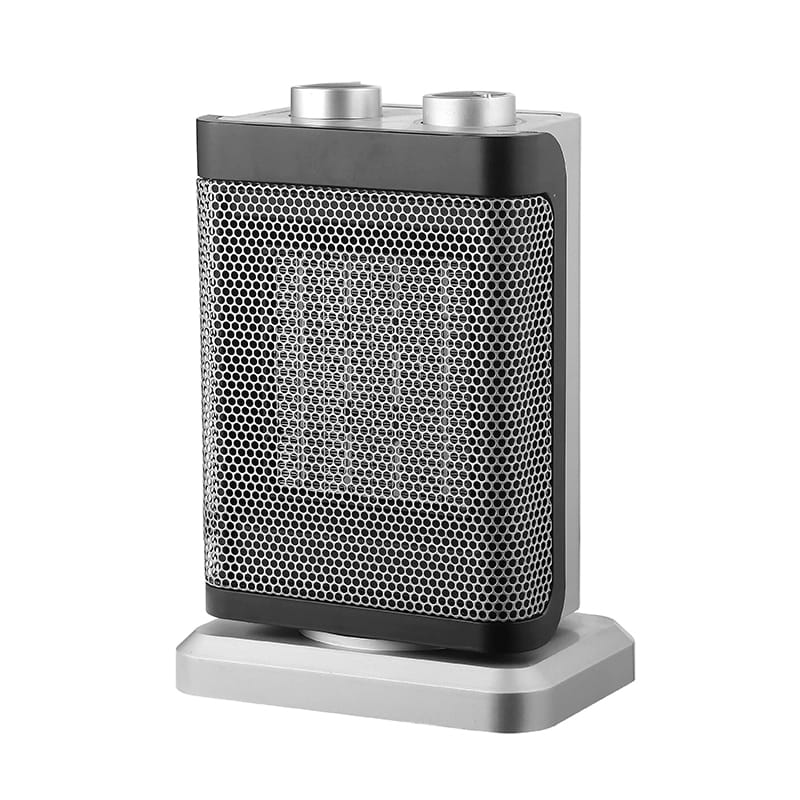
-
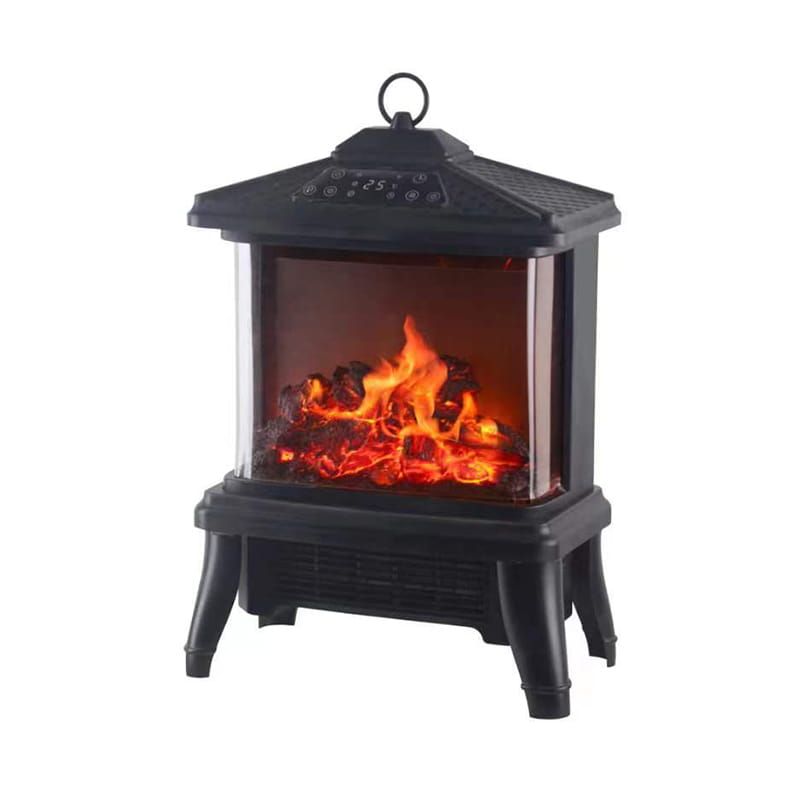
از نظر قابلیت استفاده ، این بخاری های شعله سه بعدی عملکرد مناسب را ارائه می دهند. کاربران می توان...
جزئیات را مشاهده کنید -
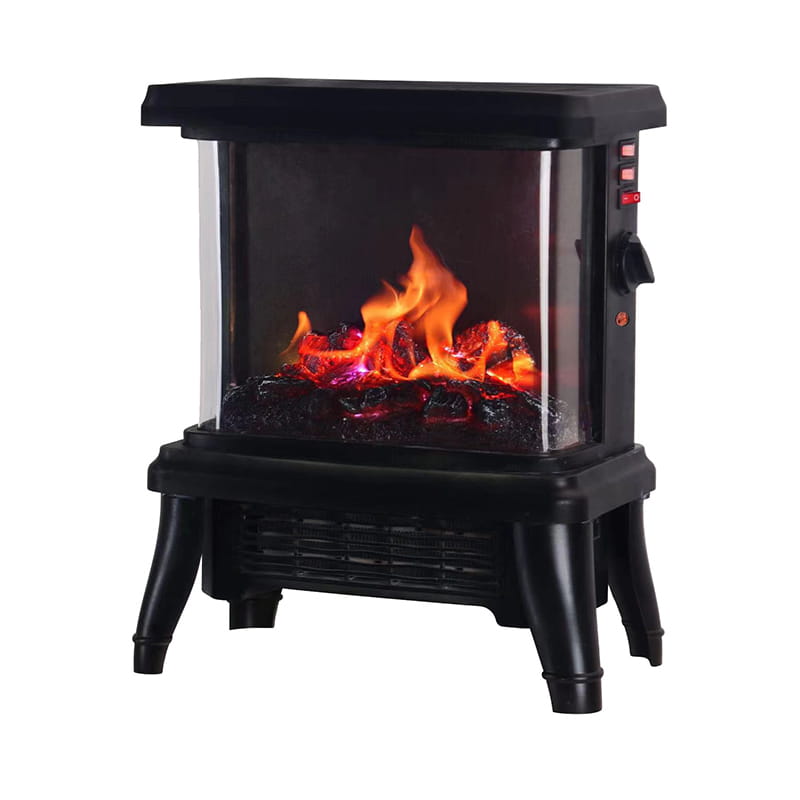
بخاری به گونه ای طراحی شده است که ظاهر و احساس یک آتش واقعی را تکرار کند ، اما بدون نیاز به شعله ...
جزئیات را مشاهده کنید -
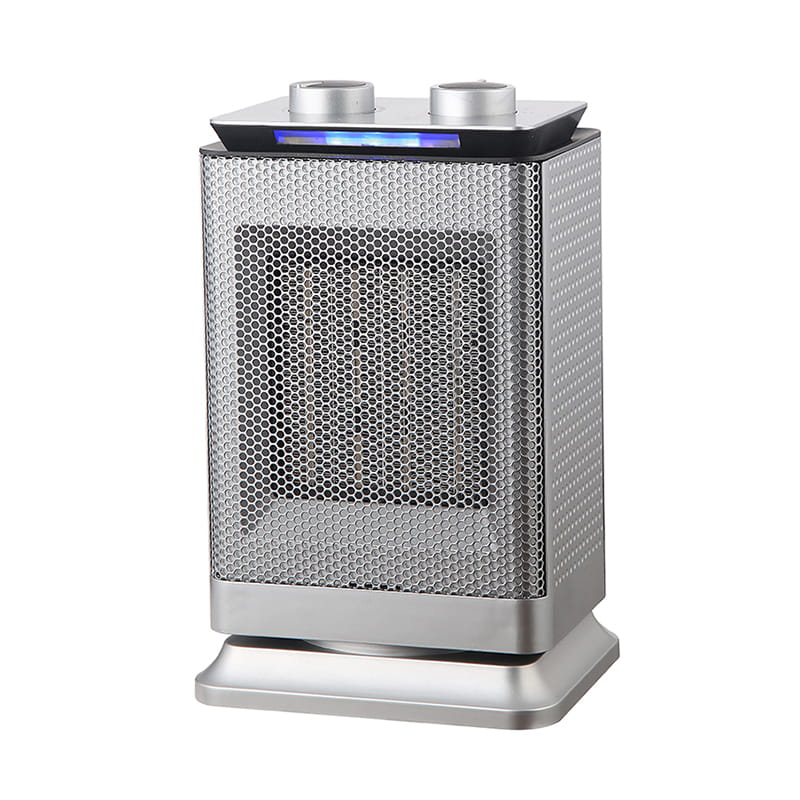
این بخاری دارای عملکرد سریع گرمایش ، تنظیم دما و عملکردهای محافظت از ایمنی است. بالا مجهز به چراغ...
جزئیات را مشاهده کنید -
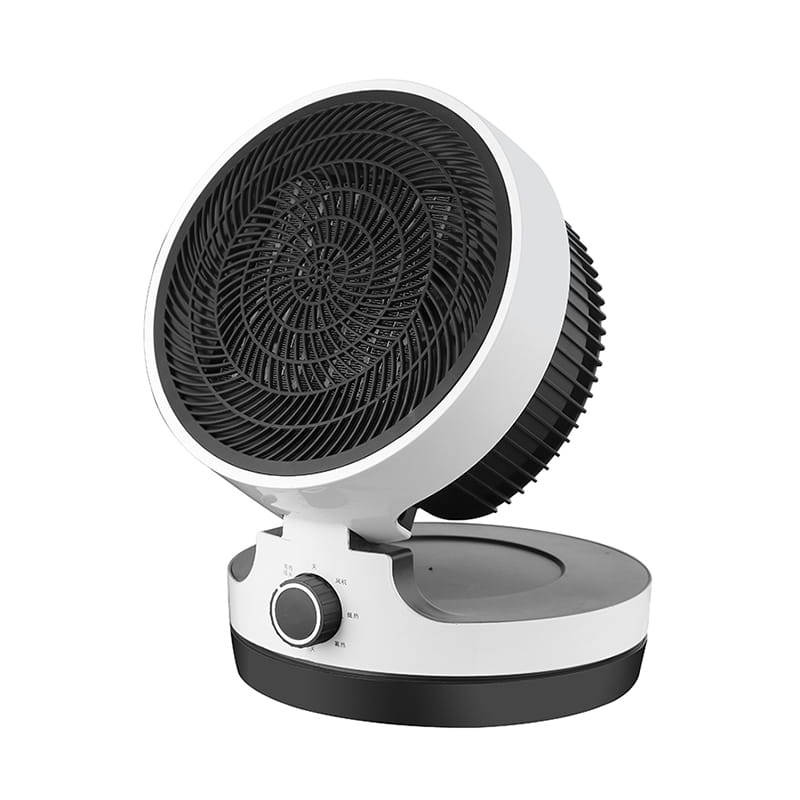
ظاهر منحصر به فرد ، افراد را تجربه متفاوتی به ارمغان می آورد. این یکی می تواند منفجر و پایین باشد...
جزئیات را مشاهده کنید -
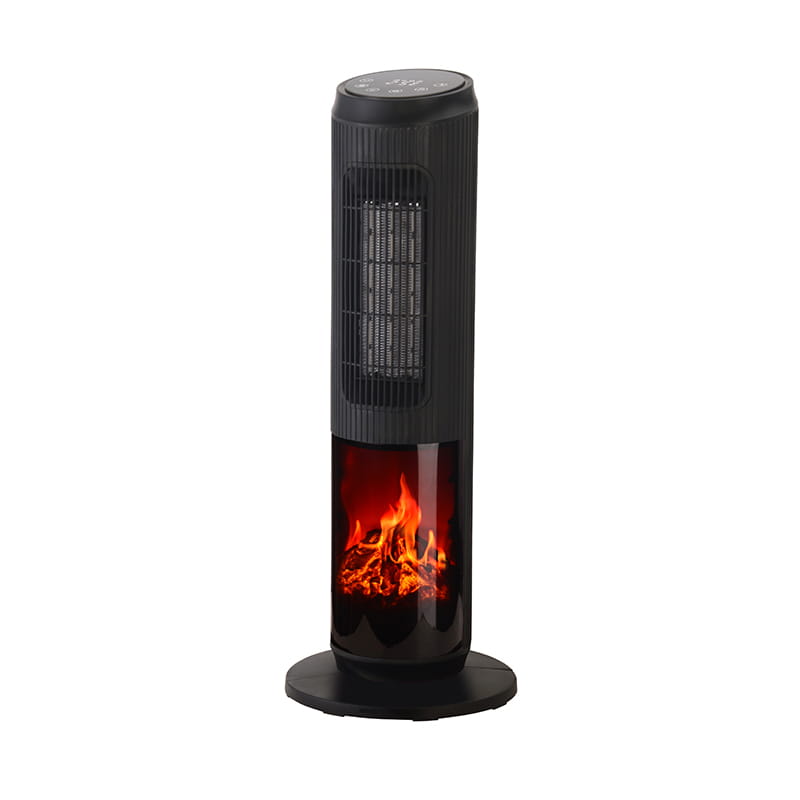
بخاری شومینه از چراغ های LED و تکنیک های بازتاب ویژه برای ایجاد جلوه بصری شعله واقع گرایانه استفا...
جزئیات را مشاهده کنید -
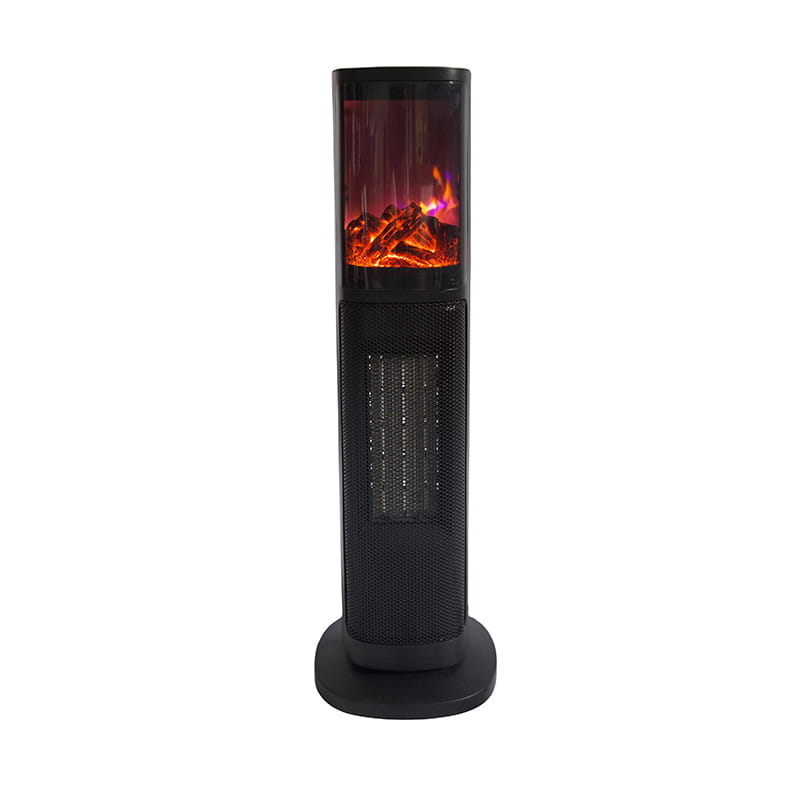
این بخاری شبیه سازی شده یک گزینه گرمایش خوب است که زیبایی شناسی و عملی را ترک می کند. آنها برای ا...
جزئیات را مشاهده کنید -
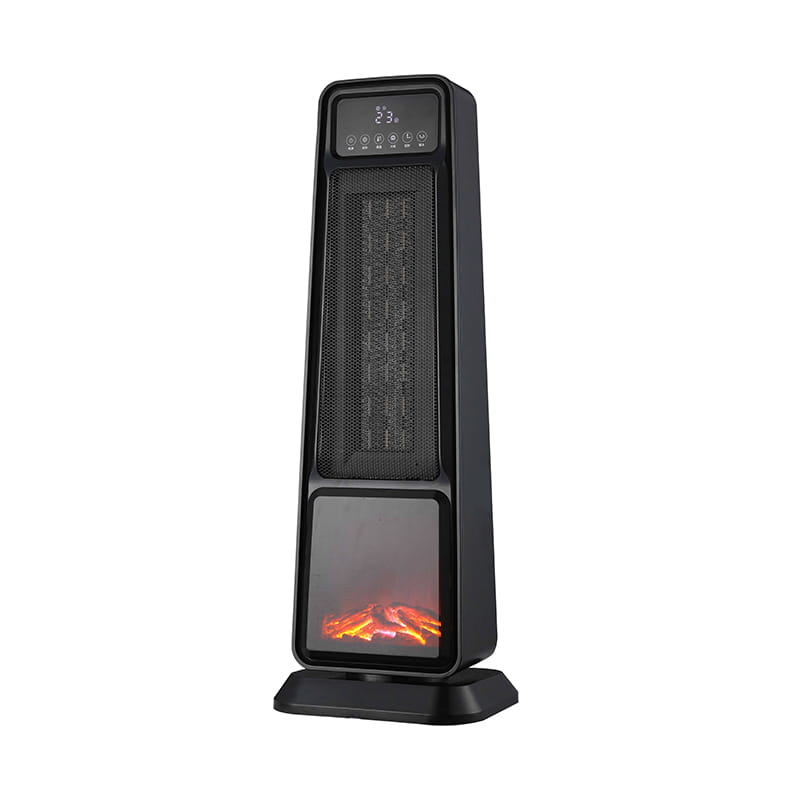
این بخاری شومینه یک نوع بی نظیر و ابتکاری از بخاری برقی است که یک اثر شعله واقع گرایانه را ارائه ...
جزئیات را مشاهده کنید -
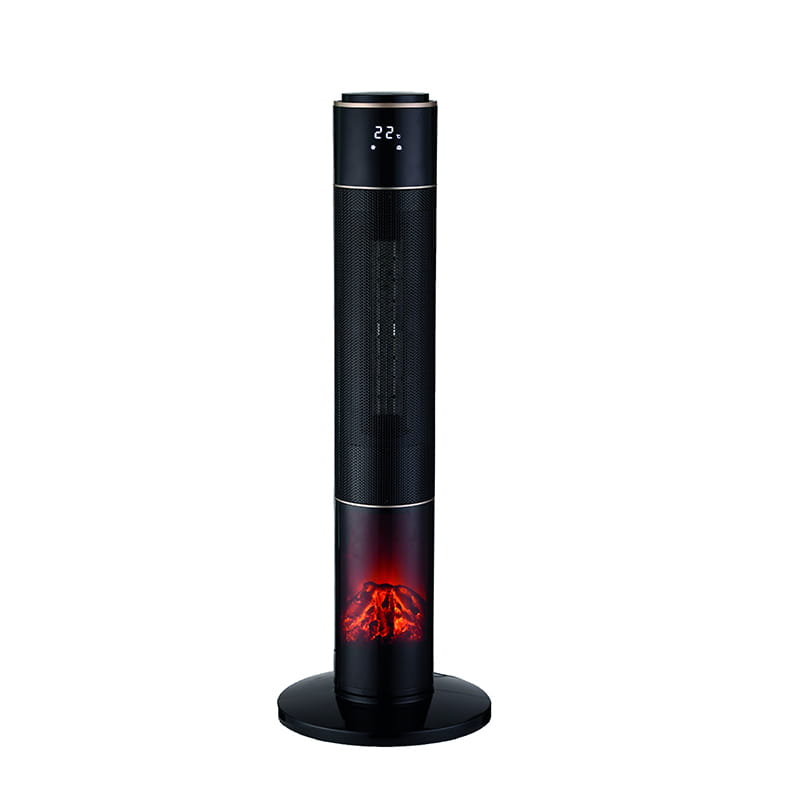
بخاری های شعله شبیه سازی شده نوعی ابتکاری از بخاری برقی است که ضمن تأمین گرما ، اثر شعله واقع گرا...
جزئیات را مشاهده کنید -
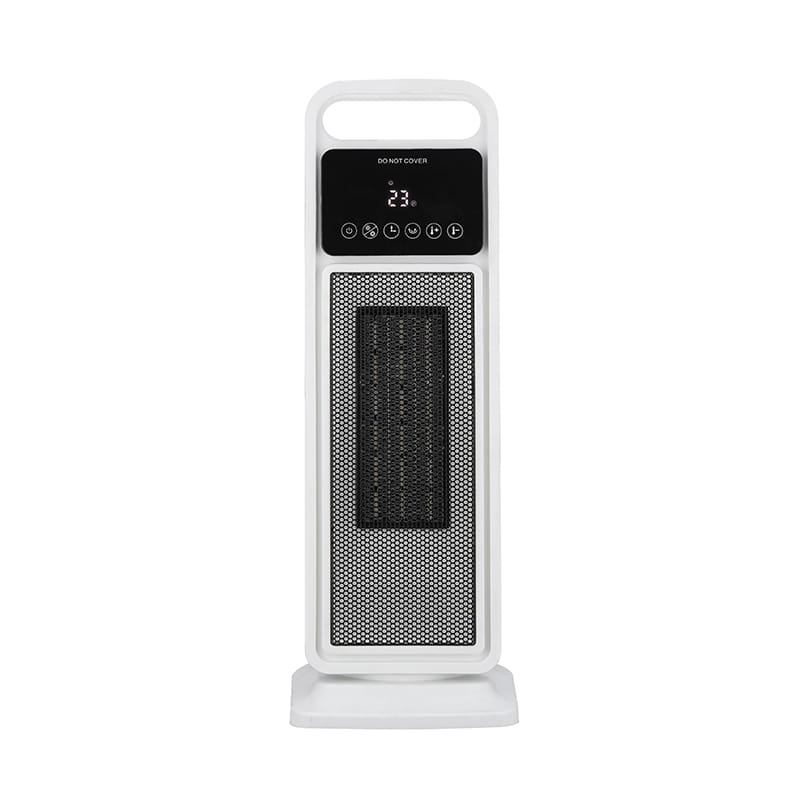
کارآیی انرژی: بخاری های سرامیکی بسیار با انرژی کارآمد هستند و در مقایسه با سایر روشهای گرمایش انر...
جزئیات را مشاهده کنید -
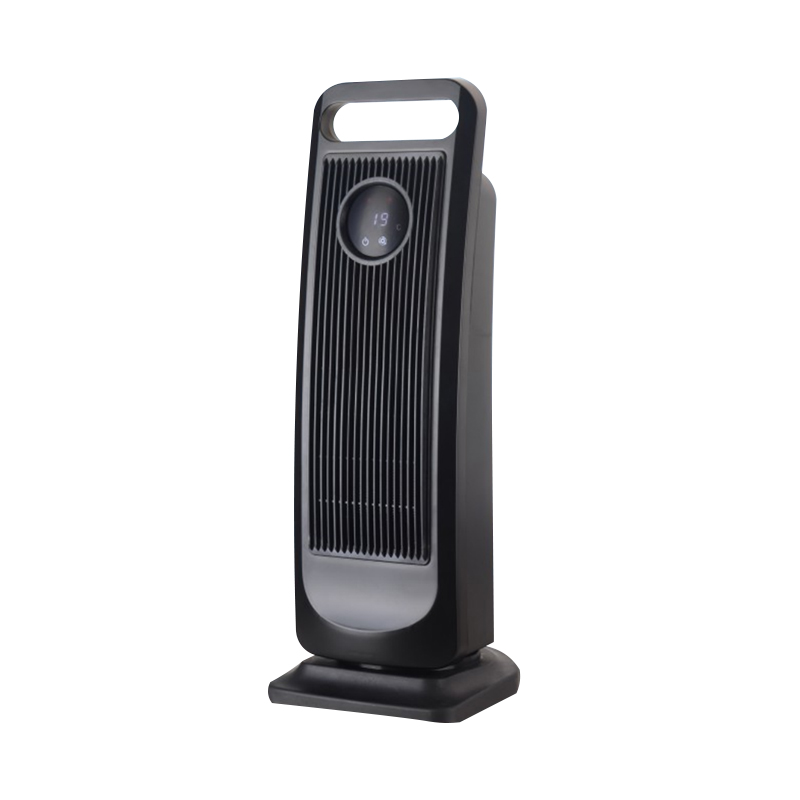
این بخاری دارای دو تنظیم برق در 1000W و 2000W است که گرمایش کارآمد را با یک منطقه گرمایش گسترده ف...
جزئیات را مشاهده کنید -
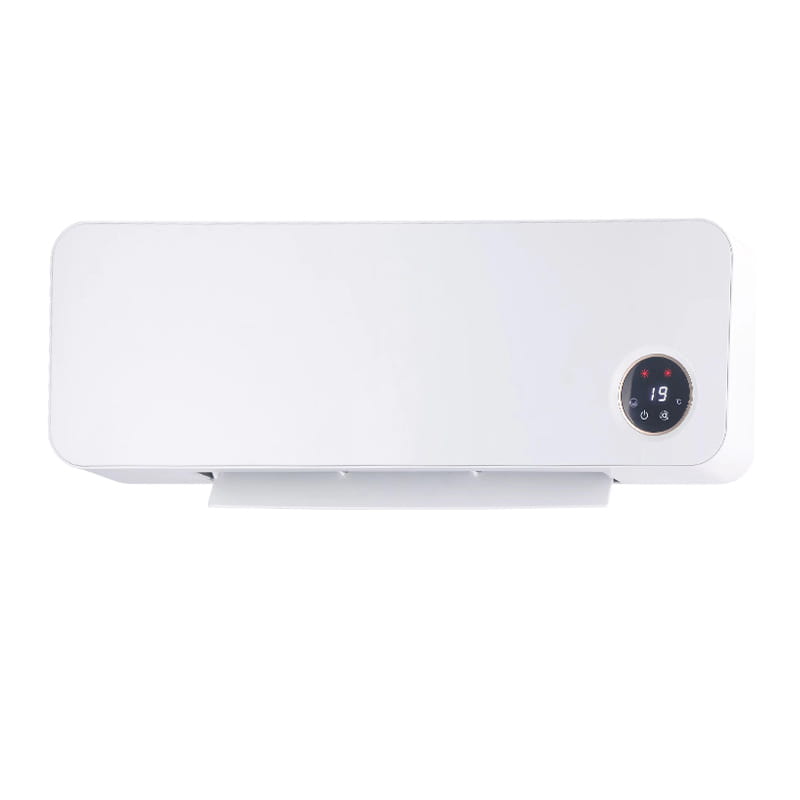
این بخاری دیواری به منظور صرفه جویی در فضای کف در حالی که فضای بیشتری از گرما را فراهم می کند ، ط...
جزئیات را مشاهده کنید
خبر
-
چه مدت طول می کشد فن کمپینگ شارژی در واقع آخرین یک فن کمپینگ قابل شارژ معمولاً بین 4 تا 35 ساعت با یک بار شارژ کار می کند و خود فن می تواند برای دو تا پنج سا...
بیشتر بخوانید -
انتخاب یخ شکن تجاری مناسب: پاسخ کوتاه حق یخ شکن تجاری برای یک بار، رستوران یا کافه به سه چیز مربوط می شود که با هم کار می کنند: میزان یخ محل برگزاری...
بیشتر بخوانید -
بخاری اجباری با فن، بخاری فضایی است که از یک فن داخلی برای فشار دادن هوای اتاق به یک عنصر گرمایشی استفاده میکند و در عرض چند ثانیه هوای گرم را تحویل میدهد. به جای انتظار بر...
بیشتر بخوانید -
شما در یک اتاق خواب سرد ایستاده اید و سعی می کنید بین یک بخاری ارزان قیمت فن دار و یک بخاری فن دار سرامیکی تصمیم بگیرید. انتخاب درست فقط مربوط به وات نیست، بلکه در مورد نحوه ...
بیشتر بخوانید -
یخ شکن برقی در مقابل یخ شکن دستی: کدام یک برای رستوران ها بهتر است برای اکثر رستورانها، بارها و برنامههای نوشیدنی با حجم بالا، یخشکن برقی انتخاب قویتری است...
بیشتر بخوانید



Copyright© شرکت لوازم الکتریکی Ningbo Shuaige ، Ltd. All Rights Reserved
